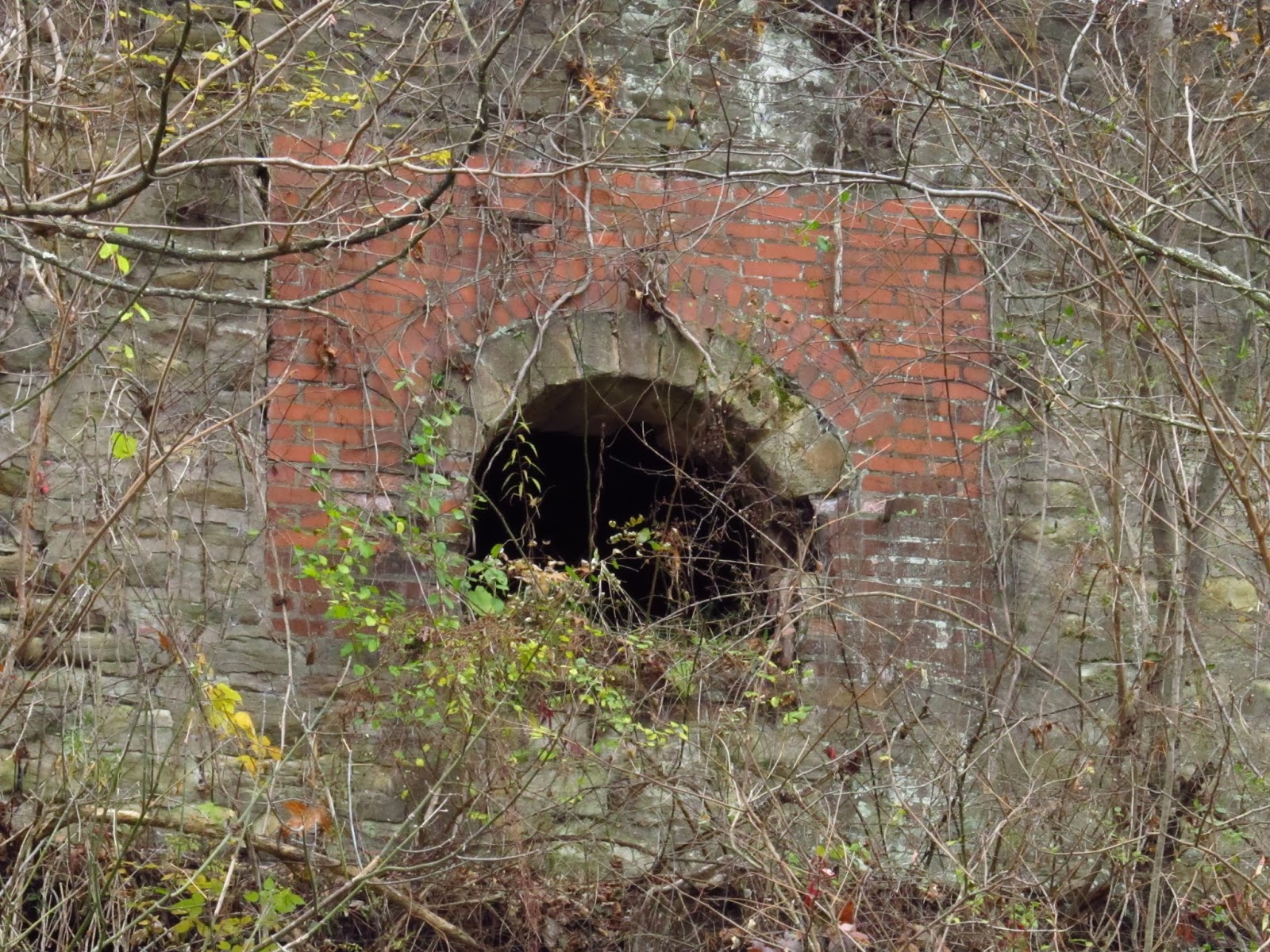
The Leckrone No. 1 mine and coke works date back to 1899 and were operated by the Eureka Fuel Company. The Eureka Fuel Company was the fuel end of the Federal Steel Company of Chicago and was the second largest company merged in the steel combination. Eureka also owned plants at Footedale and Buffington. After January 31, 1902, the H.C. Frick Coke Company took over operations and eventually acquired it for good on March 28, 1903. By 1928 the coke plant had two batteries of block and one battery of bank ovens totaling 516 ovens. It is uncertain when the mine and coke works shut down.
The company store remains and dates back prior to the Frick era. Across from the company store is the ruins of the office building. The back wall remains as well as the foundation. What is interesting about this building is a cast iron door frame on the rear wall. It almost looks like an old vault door. Apparently this building served as the post office as well as the Superintendents office. Next to the company store sits the ice house which dates back to 1901.
There is another building further down the road that may have been a boiler house or a machine shop.
Update 3/23/14: The Leckrone mine map does list the ruins of the building across from the company store as "office".
 |
| The company store. |

 |
| This is the ice house next to the store. I'm sure it was modified to a garage later but it's a nice old building. |

 |
| This is the post office/superintendents office across the street. |
 |
| Exposed basement. |


 |
| This is the top of the iron door frame. |
 |
| The door frame itself. Maybe a vault? |
 |
| Plaster remaining on the wall. |
 |
| The front door of the company store. Yes, there is a light on. |
 |
| Apparently the company store sold gas at one time. |
 |
| Side view of the company store. |
 |
| A view of the coke ovens from the store. |
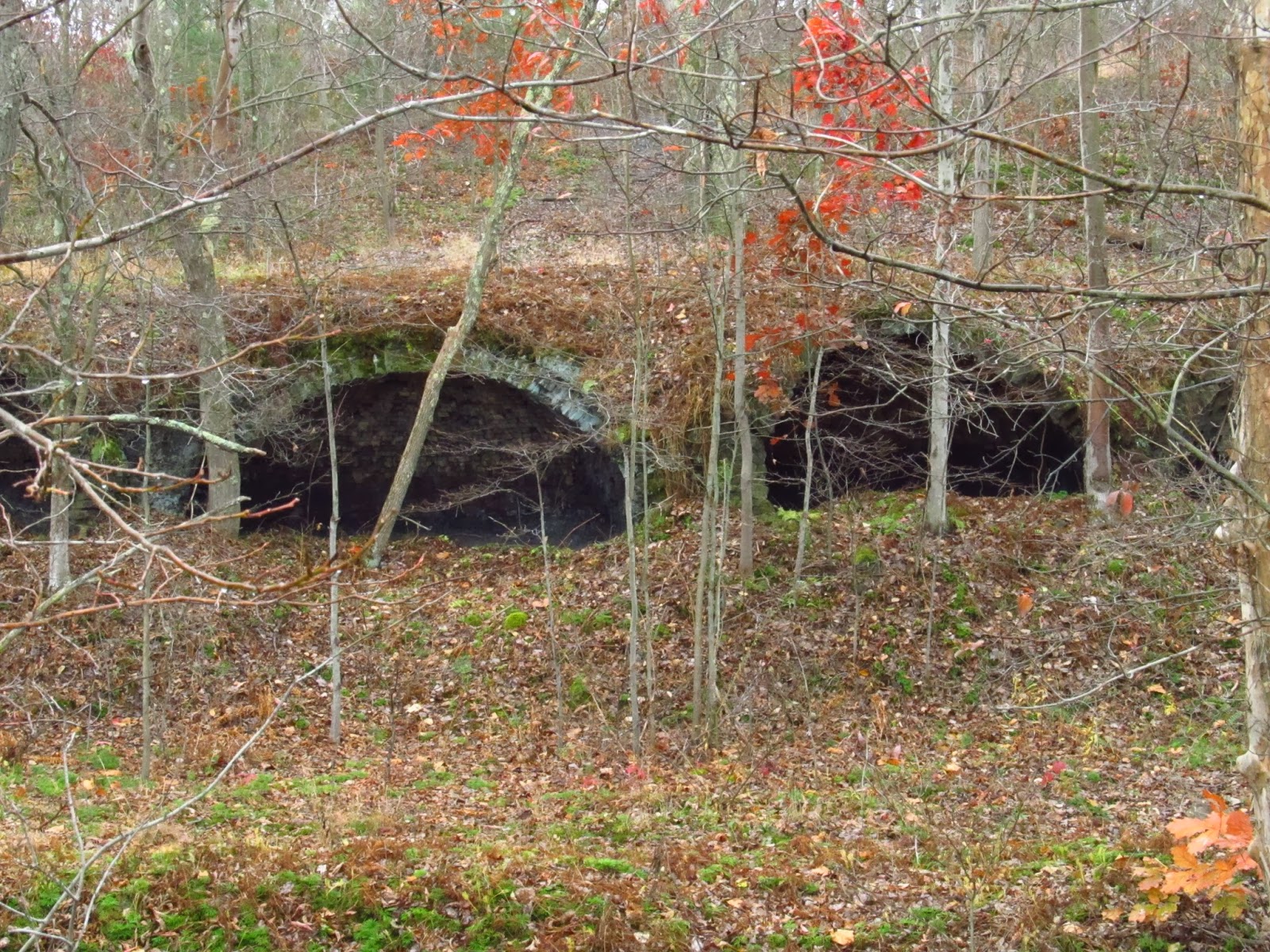 |
| The ovens are deteriorated but the ground is really clear. |

 |
| These ovens are on the opposite side of the dock area. |


 |
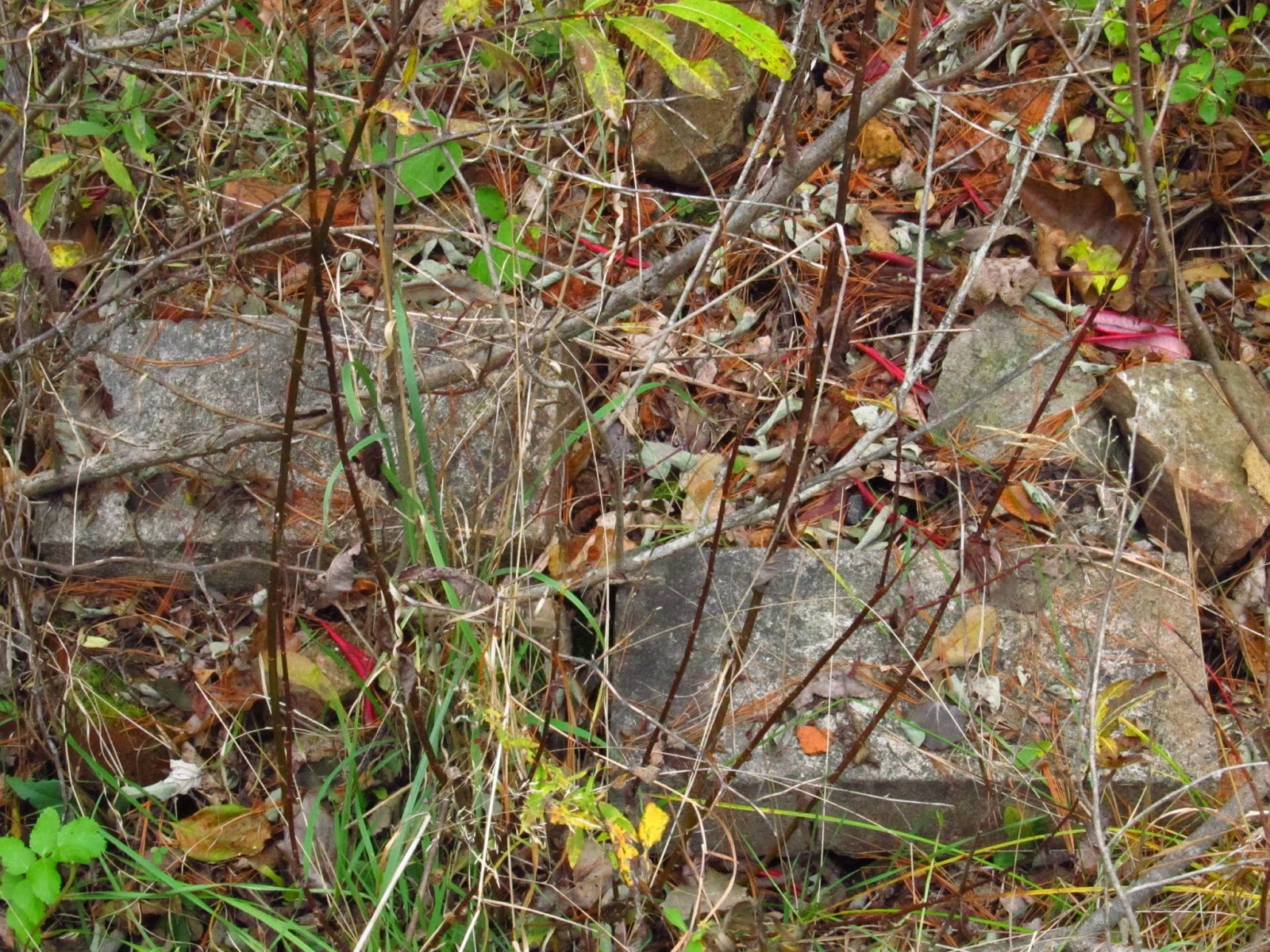
| A little bit of remaining block from the dock wall. |


 |
| It started raining. |

 |
| I've seen this stuff remaining where the bricks have fallen before. I'm beginning to think it is baked fill or clay that was used to insulate the ovens. It's not brick or concrete but it can be found around ovens. |


 |
| This is the flooded dock area where the trains would come in to load up the coke. |
 |
| This is the other building down the road that may have been a boiler house or machine shop. |
 |
| Some of the patch houses behind it. |
 |
| This is inside that building. |
 |
| It's nice to see an intact window that hasn't been smashed out. |
 |
| Front door. |
 |
| This was sitting by a side door. |
 |
| Rear of the building. |
 |
| These sit behind the houses. Either ice houses or spring houses. |